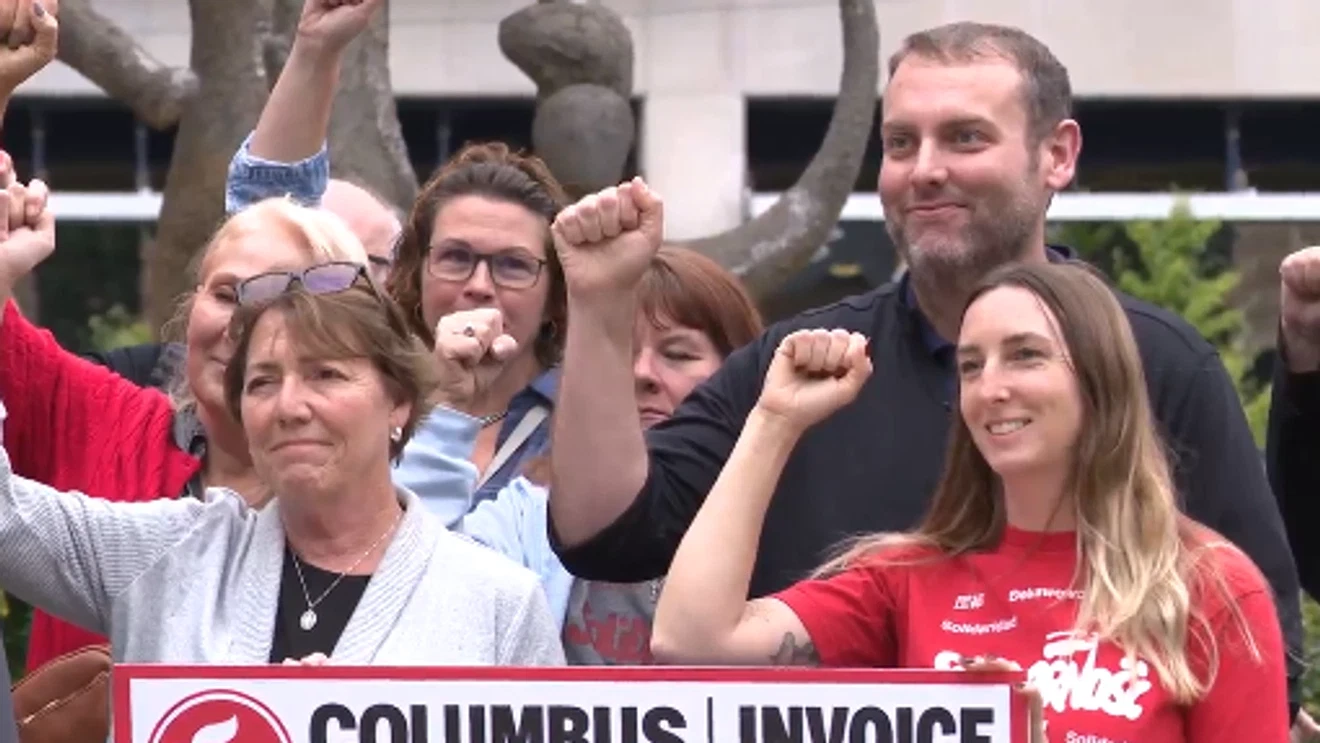
Teachers within the Columbus City Schools system are sounding the alarm over a looming financial crisis, warning that their monthly health insurance premiums could more than double by 2027. Members of the Columbus Education Association recently gathered to voice their frustrations, noting that current individual plan costs of roughly sixty five dollars per paycheck could spike to nearly one hundred and fifty nine dollars. For many educators, this potential hike feels like a breaking point. Ninth grade teacher Kelsey Gray expressed a growing desire to leave the profession entirely, arguing that staff should not have to pay for district negligence from their own paychecks.
The dispute centers on a clash between union leadership and school administration regarding how to handle national trends in rising healthcare costs. According to Columbus City Schools officials, the district already subsidizes eighty five percent of these expenses. In a written statement, the district claimed it offered several options to avoid surcharges, but those proposals were rejected when the association voted against making specific plan design changes. This deadlock has triggered clauses in the collective bargaining agreement that mandate significant cost increases for employees.
Union president John Coneglio warns that such steep price hikes will inevitably lead to an exodus of quality teachers and experienced administrators. While the district maintains that these increases are simply a reflection of broader economic realities, union members believe there is deeper mismanagement at play. Tensions have been further inflamed by an audit suggesting the district may have significantly overspent on health insurance in recent years, leading teachers to demand that the administration share in the financial burden created by those errors.
As open enrollment approaches on October fifth, representatives from the association say they are far from finished fighting for better terms. Teachers like Regina Fuentes argue that the lack of willingness to renegotiate sends a message that their daily dedication is undervalued by leadership. Despite the friction, district leaders say they remain open to future discussions, even as both sides struggle to find common ground before the new costs take effect.