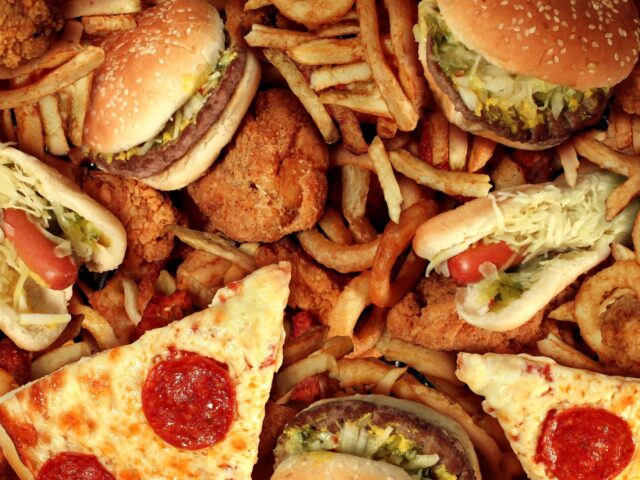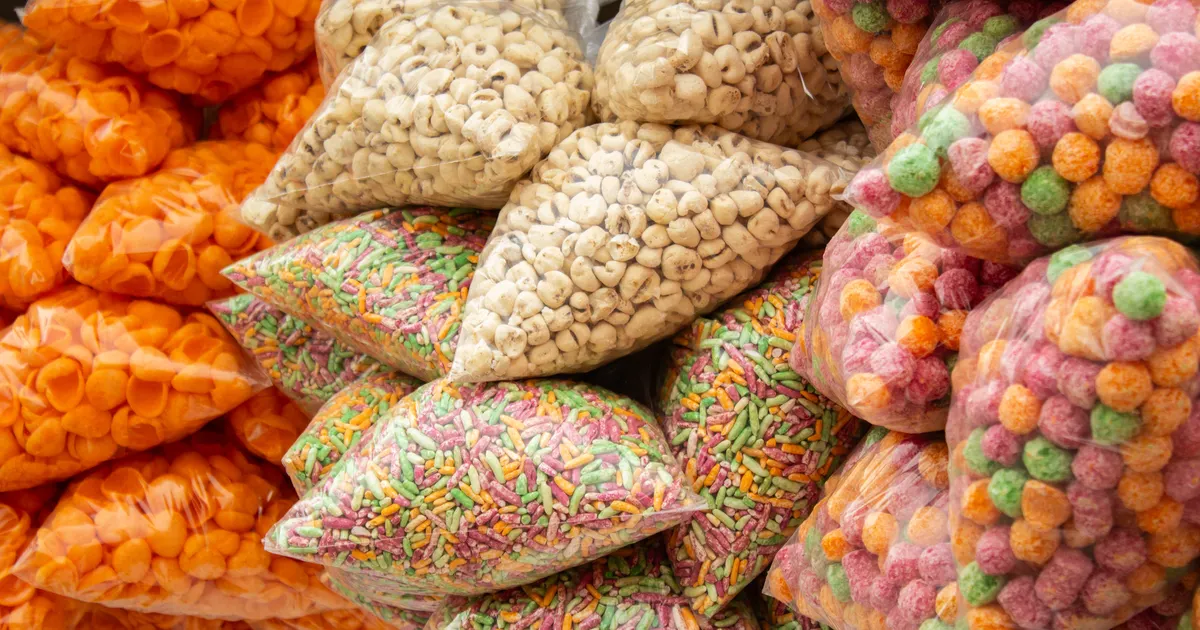
Eating just a small amount of ultra-processed food each day could significantly increase your risk of developing chronic diseases, according to a massive new global analysis. The study, recently published in the journal Family Medicine and Community Health, tracked nearly 8.8 million adults across Asia, Europe, Oceania, and the Americas over several decades. Researchers discovered that consuming an extra 100 grams of these industrial foods daily was associated with a 14 percent increase in cardiovascular events and a 4 percent rise in cancer risk. Other risks included a slight uptick in diabetes, metabolic syndrome, and overall mortality.
To put those numbers into perspective, 100 grams is roughly equivalent to a single three-and-a-half ounce bag of corn chips or a small box of candy. Ultra-processed foods are generally characterized by their convenience and heavy reliance on industrial additives, encompassing everything from sugary sodas and packaged snacks to processed meats. Experts suggest that the danger lies not only in what these foods contain but also in what they replace, as highly processed options often crowd out essential nutrients found in whole foods.
Registered dietitian Kelly Springer suggests that the goal should not be total deprivation but rather a shift toward balance. Instead of focusing solely on removing items from the diet, she recommends adding more fiber and protein through choices like apples with peanut butter or meals centered around legumes, lean proteins, and whole grains. Investing in minimally processed foods is one of the most effective ways to protect long-term health regardless of specific dietary restrictions.
While the findings are striking, specialists note that because the study was observational and relied on self-reported data, it cannot definitively prove that ultra-processed foods directly cause these illnesses. Factors such as general lifestyle habits may also play a role. However, the sheer scale of the data provides a compelling warning about the hidden costs of modern convenience diets and underscores the importance of prioritizing real ingredients whenever possible.