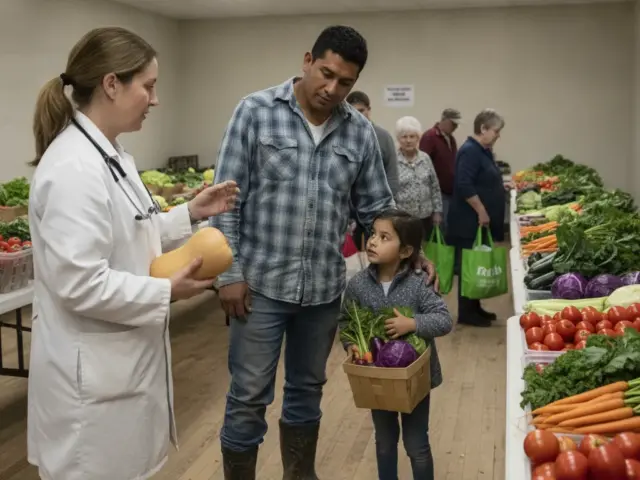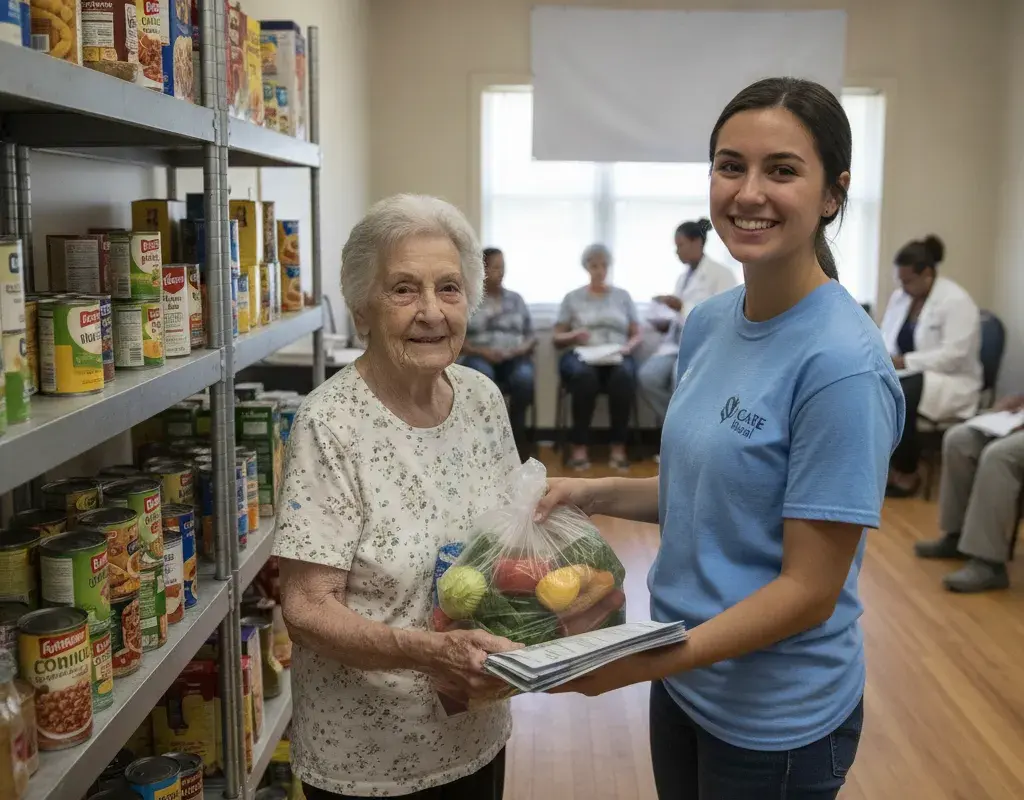
At the Clara Gunn Community Clinic in Rockingham County, healthcare looks like more than just a prescription or a checkup. In one corner of the facility, a room stocked with canned goods ensures that patients leaving a health screening do not return home to empty cupboards. This holistic approach to wellness serves as the backdrop for a new initiative called iCARE Rural, where students from the University of North Carolina at Greensboro are stepping in to strengthen a fragile safety net of mental health and social services.
Backed by a two year grant totaling 200,000 dollars, the program places social work interns directly into the heart of a region designated as severely underserved. These students spend sixteen hours a week working within local ministries and clinics, conducting mental health screenings and providing supportive counseling. By immersing themselves in the community, these future professionals learn firsthand about the specific hurdles facing rural residents, such as extreme transportation barriers and a chronic shortage of primary care providers that often forces patients to rely on emergency rooms for basic psychiatric care.
The project creates a tiered system of support that blends classroom theory with real world application. While undergraduate students focus on generalist practice and resource navigation, graduate students offer specialized interventions like motivational interviewing and solution focused therapy. To ensure no patient falls through the cracks, doctoral students from the UNCG Psychology Clinic provide an additional layer of care via telehealth, offering deep assessments and crisis intervention for those whose needs exceed what can be provided during an initial clinic visit.
Beyond the immediate benefit to residents, university leaders view iCARE Rural as a strategic effort to cultivate a new generation of rural practitioners. Professors emphasize that by integrating students into these communities now, they are breaking down stereotypes and fostering an emotional connection to the region. The goal is to transform these internships into lifelong careers, encouraging graduates to occupationally nest in areas where their skills are most desperately needed.